
FERSAN TEKSTİL Established 1982
From yarn to dyed knit fabric, end to end.
Wholesale high-performance polyester knitted fabric manufacturer for sportswear, activewear and performance apparel brands: every process, from our own yarn through to dyeing, runs in our own factory to the test standards of world-class sports brands.
- 1982Established
- 750 tonsMonthly capacity
- ISO + OEKO-TEXIndependently certified
Corporate Films
Get to know Fersan Tekstil.
From our head office to our Çorlu production facility, we present our company across two films: our corporate identity and our integrated production process, from yarn to dyed fabric.
Head Office
Production Facility
About Us
Same looms, same family, since 1982.
We started in 1982 on a single circular knitting machine. The promise hasn’t moved: the shipment matches the sample, and a fabric whose edge curls doesn’t leave the floor. A family firm, where the people deciding are the people at the machine.
About usOne loop per year · a single unbroken thread
- 1982 · First circular knitting machine
- 1994 · Trade registry entry
- Loop 45 — still being knitted
Fabric Families
View fabrics
One base, ten fabric families.
All ten of our knit families are produced from the same 100% polyester yarn. What sets single jersey, piqué, mesh and fleece apart is not the raw material but the path the yarn takes within the stitch. Select the family that fits your requirement and review its technical specifications.
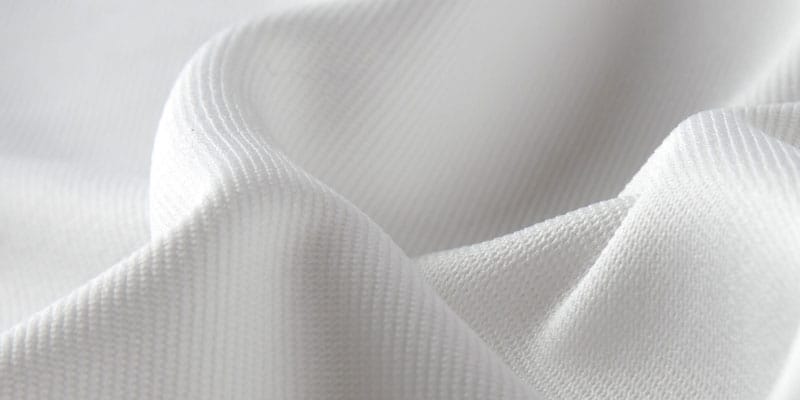
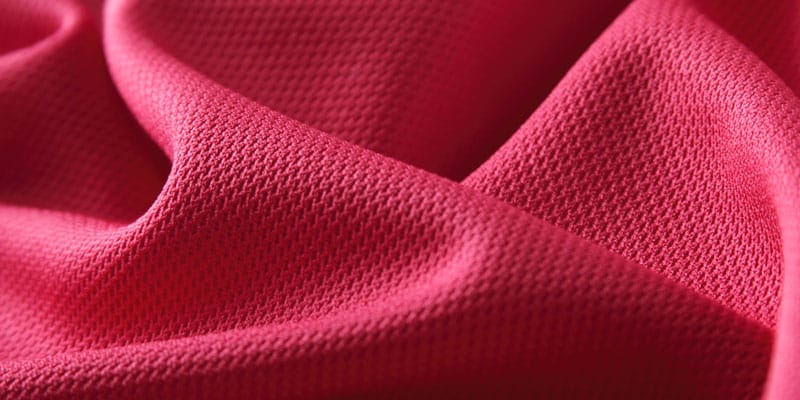
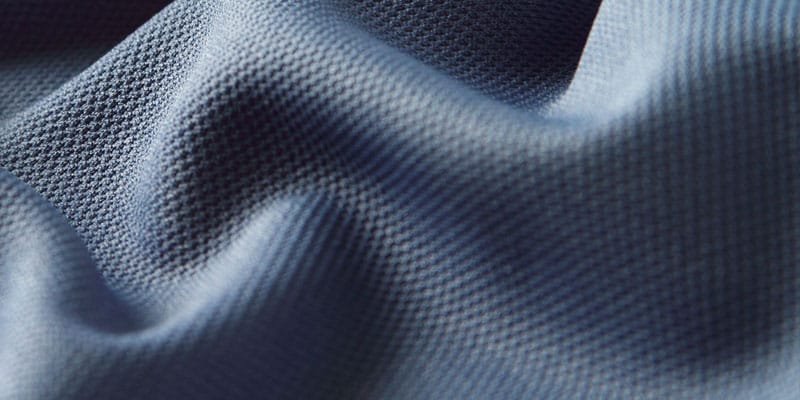
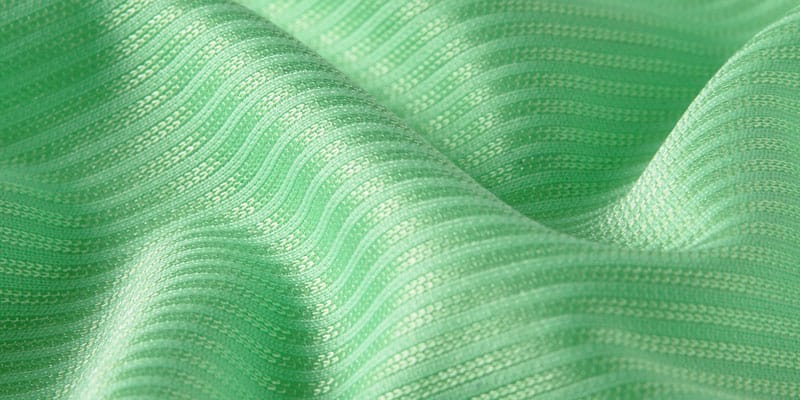
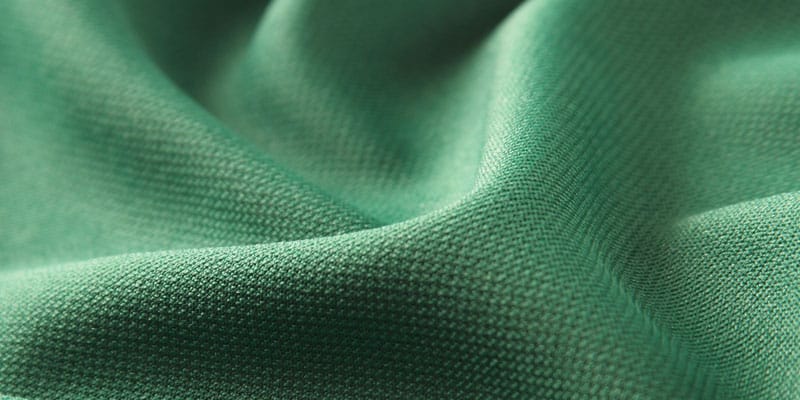
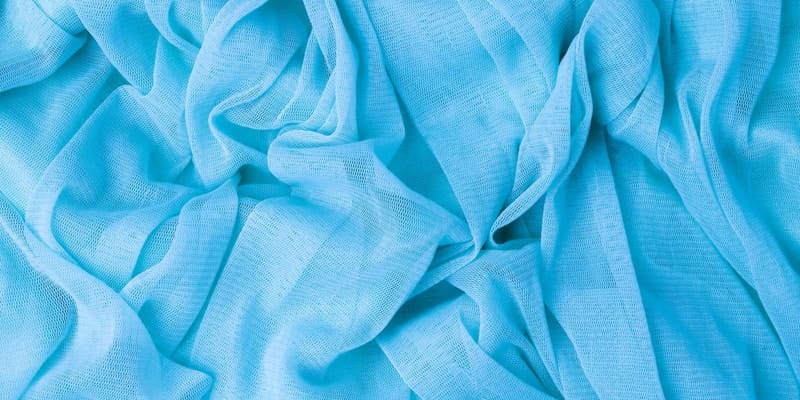
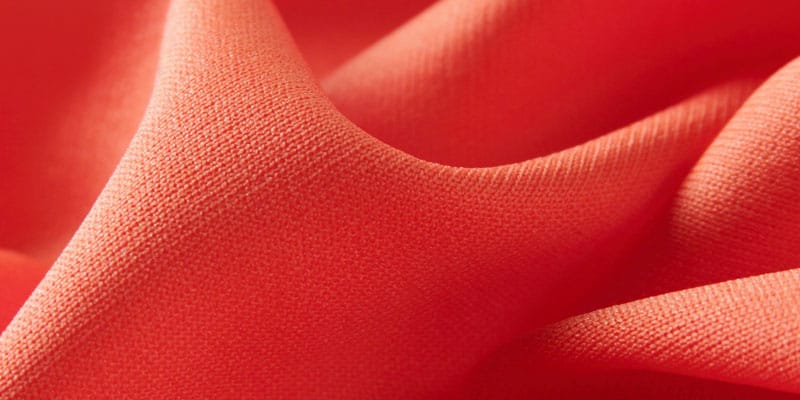
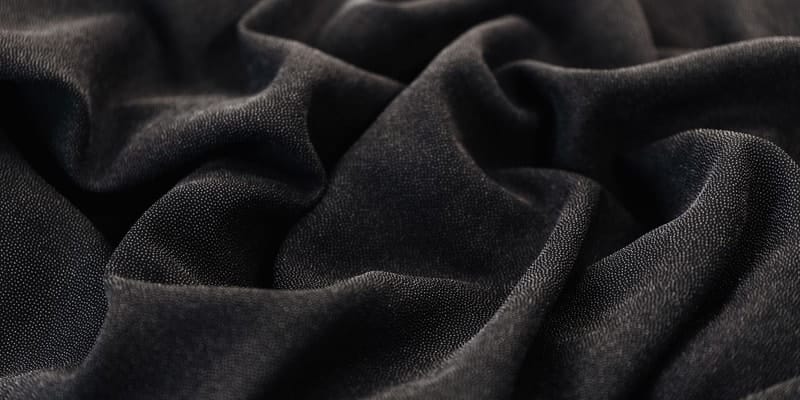
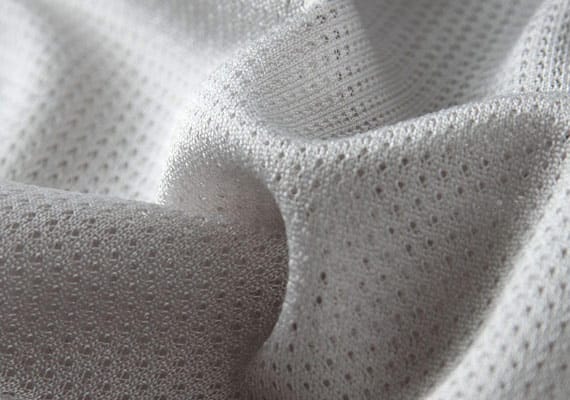
Raschel
Warp knit · Sport tops/lining · footwear & bag mesh · inner lining
Its warp-knit structure pairs high airflow with resistance to laddering and edge curl, holding its shape under use.
Explore
Colour control
Colour is in our hands.
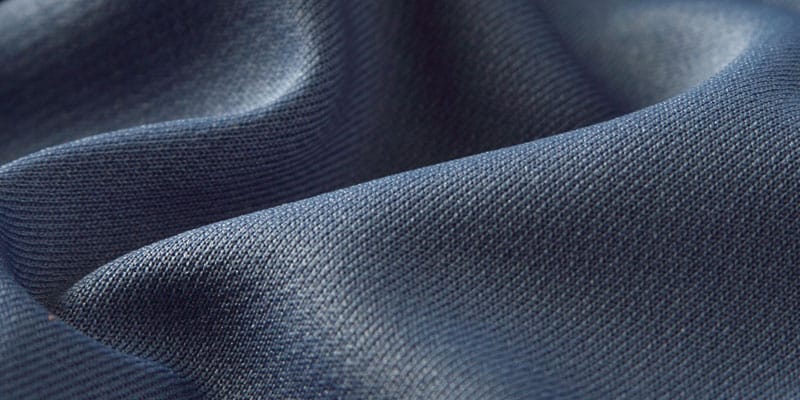
We dye in our own dyehouse: the lot matches the sample and the shipment matches the lot; colour holds tone to tone, batch to batch.
Established 1982 same dyehouse, read more precisely today ΔE ≤ 1.0 · CIEDE2000
Fabric
Colour
No matching colour.
Enter your brand colour — the nearest Pantone TCX standard is computed.
- Shade
- Transformative Teal
- Code
- Coloro 092-37-14
- Nearest Pantone
- 18-5112 TCX · Sea Pine · ΔE 5.7
- Distance to nearest reference — batch tolerance is measured separately (below).
- Depth
- Deep
- Character
- Cool
- LCH
- L 37 · C 16 · h 206°
- Dye class
- Disperse · polyester · HT ~130 °C
Batch consistency
✓ Within tolerance · avg ΔE 0.5 · target ≤ 1.0
For dyeing fabric the reference is the Pantone TCX (cotton) standard; our dyehouse target is a batch-to-batch ΔE < 1.0 — a commercial match (CMC 2:1). This panel illustrates that tolerance: each lot’s ΔE is the real CIEDE2000 difference from the dyed sample — the roll we ship stays inside that tolerance. Screen colour is approximate (metamerism + substrate); an exact match is confirmed against a physical lab dip.
Yarn to fabric, dyed and finished to spec.
Production capacity
Infrastructure built to meet demand.
All production in one facility: from knitting and dyeing to finishing and dispatch, on our own machinery — yarn to fabric.
Integrated process
One roof · 0 middlemen
- Yarn 17Yarn types DTY, micro and rPET filament
- Knit 180Knitting machines Single jersey, interlock, piqué
- Dye 6Dye kiers (50 kg–1 t) Recipe-dyed, batch-consistent
- Finish 4Stenter (heat-set) lines Width and GSM stabilised, plus finish
- Fabric 2,000 tWarehouse capacity Test-standard, ready to ship
The shipment is the sample. ΔE ≤ 1.0 · CIEDE2000
Order terms
- Markets
- Domestic · Europe · Russia
- MOQ
- 500–1,000 kg/colour
- Lead time
- 3–4 weeks
- Delivery
- EXW · FOB · DAP
Sourcing a manufacturer? Start here.
Production pages written for buyers — MOQ, lead time, sampling and delivery terms on every page.
Polyester Jersey Fabric ManufacturerPolyester jersey knitted, dyed and finished under one roof in Türkiye since 1982: plain, elastane, loop-back and dry-fit variants
5 STRUCTURES · 85–330 G/M²
Recycled Polyester Fabric Manufacturer (rPET)GRS-certified recycled polyester (rPET) knits
6 STRUCTURES · 120–400 G/M²
Polyester Interlock Fabric ManufacturerPolyester interlock knitted on double-bed machines and dyed under the same roof: plain, elastane, Ponte di Roma and interlock-rib variants
4 STRUCTURES · 170–360 G/M²
Polyester Piqué Fabric ManufacturerPolyester piqué that breathes through its honeycomb texture: plain, elastane, mini and jacquard variants
4 STRUCTURES · 165–260 G/M²
A year of yarn passes Mars.
Take our ~750-ton monthly capacity as a single 150-denier filament: one gram runs 60 metres, one kilo 60 kilometres. Scroll — let the yarn leave the mill.
-
150 denier
It starts finer than a human hair: one polyester filament. A single gram runs 60 unbroken metres.
-
1 kg = 60 km
Unwound, a one-kilo package gives 60 kilometres of continuous yarn — past the Tekirdağ shore from Çorlu.
-
2 kg ≈ Çorlu → Istanbul
Two kilos of yarn reach from our roof to the Bosphorus.
-
One lap every 39 minutes
At production pace, the yarn wraps the equator every 39 minutes.
-
~2 round trips a day
A day’s output is 1.48 million kilometres of yarn — to the Moon and back, twice.
-
Voyager-1 speed
17.1 kilometres every second: the pace of humanity’s fastest probe — above Earth’s escape velocity.
-
Past Mars; Jupiter next
540 million kilometres a year: past Mars’ orbit in month 5, beyond the asteroid belt in month 11 — the line ends the year en route to Jupiter.
Cosmic yarn ruler: counted as a single 150-denier filament, our roughly 750-ton monthly output flows 1.48 million kilometres a day — 17.1 kilometres a second; it wraps the Earth every 39 minutes, makes about two Moon round trips a day, and in one year covers 540 million kilometres, passing Mars’ orbit and the asteroid belt onto the route to Jupiter. The calculation basis and assumptions are printed in the footnote at the end of the section.
Certificates
What we claim, someone else audits.
Our quality, environmental and occupational health systems are certified to ISO 9001, ISO 14001 and ISO 45001; product safety to OEKO-TEX STANDARD 100. We also operate an in-house laboratory that works to the test protocols of global sports brands.
ISO 9001
Quality Management System
View certificate
ISO 14001
Environmental Management System
View certificate
ISO 45001
Occupational Health & Safety Management System
View certificate
OEKO-TEX STeP
Sustainable Textile Production — STeP
View certificate
STANDARD 100
Harmful-Substance Test — STANDARD 100
View certificate
GRS · RCS
Recycled Content — GRS + RCS Scope Certificate
View certificate
24/7Quality control
~28 tTested per day
5Lab team (1 eng. + 4 chemists)
In scope
Colour fastness · ISO 105-C06Pilling · ISO 12945-2Dimensional stability · ISO 5077Moisture management · AATCC 195Abrasion resistance · ISO 12947-2Tensile strength · ISO 13934-1
Sustainability
Responsible production, with proof.
We make everything under one roof, from yarn to dyed fabric — which lets us measure, document and responsibly manage every step.
Recycled content
Recycled polyester (rPET) yarn and fabric, certified through GRS and RCS chain of custody.
Water & chemical management
We never discharge dyehouse water untreated; ISO 14001 resource management and OEKO-TEX STANDARD 100 safe chemistry.
Traceability
Because we own the chain from yarn to fabric, we can trace down to raw fibre — ready for the Digital Product Passport.
Durability
Long-life polyester structures: less wear, longer use.
Knowledge Centre
Technical know-how and tools, open to all.
Calculators that speed up spec work, engineering guides and a glossary — all free to use.
Frequently asked questions.
Production & product
Is Fersan Tekstil a fully integrated manufacturer?
Yes. From yarn texturising to knitting, dyeing and finishing, we run the entire process under one roof at our own factory in Çorlu.
What fabrics do you produce?
Predominantly 100% polyester knit fabrics: single jersey, piqué, rib, interlock, two- and three-thread terry, fleece and raschel — ten families and thirty-nine fabrics, from 80 to 400 g/m².
Do you make recycled (rPET) fabric?
Yes. We offer recycled polyester yarn and fabric, certified through GRS and RCS chain of custody.
Do you develop custom fabrics?
Yes. With our design and R&D team we develop brand-specific patterns, hand-feel and functional finishes.
Where do you produce and where do you ship?
Our head office is in Beylikdüzü/İstanbul and our factory in Çorlu/Tekirdağ. We ship across Anatolia, Europe and Russia.
Commercial & assurance
Which certifications do you hold?
ISO 9001, ISO 14001, ISO 45001, OEKO-TEX STANDARD 100 (Class I), OEKO-TEX STeP, plus GRS and RCS for recycled content — nine independent certificates in total.
Can you produce to apparel brands' quality and test standards?
Yes. With our own in-house laboratory and independent testing, we produce performance knit fabric to the quality and test protocols of world-class sports brands.
Can I request a sample?
Of course. Use the sample-request form on our contact page and we will prepare samples to your specification for approval.
What is your minimum order (MOQ) and lead time?
We work in the 500–1,000 kg per colour range; the exact figure is confirmed with your quotation depending on the fabric. Lead time is typically 3–4 weeks from order confirmation to dispatch; we work EXW, FOB or DAP and reply to quotation requests within 2 business days.
FERSAN TEKSTİL Established 1982
Request a sample or quote
Sample or a price? Write to us and we’ll get rolling.
The Beylikdüzü office and the Çorlu factory answer to the same people; your request won’t get lost on a desk.
Quotation requests answered within 2 business days